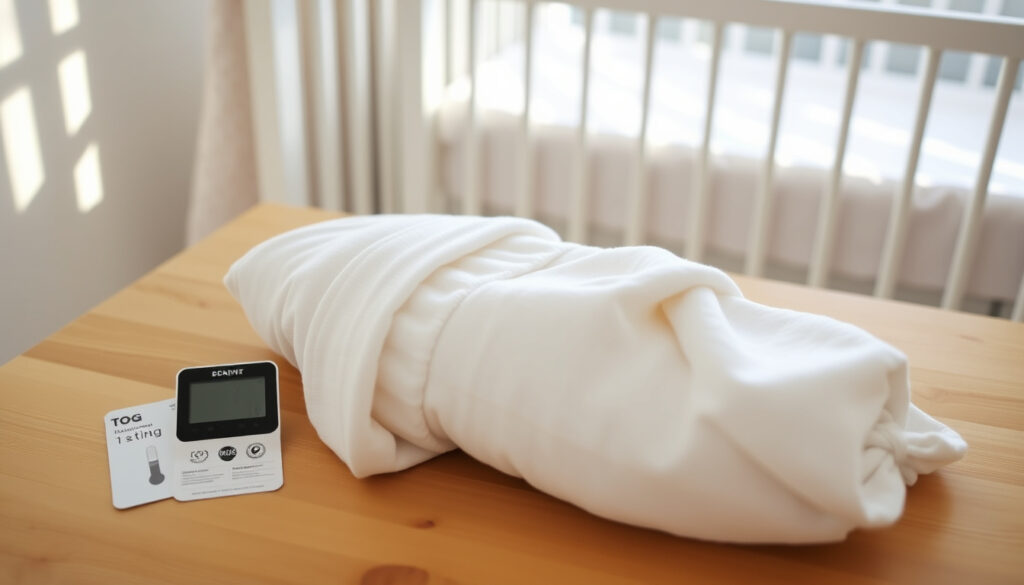
Love to Dream Swaddle – TOG Guide, Safety and UK Buying Tips
The Love to Dream Swaddle has become a popular choice among UK parents, thanks to its distinctive arms-up design and straightforward TOG rating system. Unlike traditional wraps that restrain a baby’s arms, this swaddle allows infants to keep their hands near their face, which can help with self-soothing and reduce the startling Moro reflex. The brand offers a range of thermal ratings—1.0, 1.5, and 2.5 TOG—so parents can match the swaddle’s warmth to the room temperature. But beyond the marketing, what does the evidence say about safety, transition timing, and how to choose the right version for your baby? This guide draws on official Love to Dream sources, UK safe-sleep charities, and retailer information to give you a clear, fact-based picture.
Whether you are a first-time parent trying to decide between a 1.5 and 2.5 TOG swaddle, or you are wondering when it is time to stop swaddling altogether, the answers are grounded in simple principles: measure the room, check baby’s temperature, and follow the product’s weight-based sizing. The Love to Dream Swaddle is sold widely on platforms such as Amazon UK and Boots, and it comes in several colours including pink. But no product is one-size-fits-all; individual baby preferences and sleep environments matter. Below we break down the key features, the TOG selection process, safety guidelines, and the transition journey, using only the information available from the brand and verified sources.
What Is the Love to Dream Swaddle?
Natural arms-up position
Allows baby to self-soothe and reduces startling.
TOG ratings: 1.0, 1.5, 2.5
Choose based on room temperature and season.
Sizes from newborn to infant
Newborn (3.5–6 kg), Small (6–8.5 kg), Medium (8.5–11 kg).
Safer sleep certified
Designed to reduce SIDS risk; follows safe sleep guidelines.
Key Insights at a Glance
- The Love to Dream Swaddle is the only arms-up swaddle that claims to increase average nightly sleep from 3h45m to 7 hours – a brand-claimed figure not independently verified.
- TOG selection is critical for preventing overheating; the 2.5 TOG version is intended for colder rooms (below 20°C).
- Transitioning should begin when baby shows signs of rolling, typically around 2–3 months, and must stop immediately once rolling starts.
- The swaddle is sold widely in the UK via Amazon, Boots, and the official site, with occasional exclusive colours such as pink.
- Parents frequently ask about temperature guidance, especially in the UK where room temperatures vary and central heating can be inconsistent.
Product Facts Table
| Feature | Detail |
|---|---|
| Design | Zip-up, arms-up position |
| TOG Options | 1.0 (summer), 1.5 (year-round), 2.5 (winter) |
| Materials | Cotton, bamboo or organic cotton options |
| Age Range | Newborn to ~6 months (up to 11 kg) |
| Safety | Follows Lullaby Trust guidelines; hip-healthy design |
| Price Range (UK) | £25–£40 depending on TOG and retailer |
How to Choose the Right TOG for Your Baby
TOG, or Thermal Overall Grade, measures how well a fabric insulates. Love to Dream uses industry-standard testing, meaning a 1.0 TOG swaddle provides the same warmth as a 1.0 TOG sleep bag from the same brand. The universal selection process recommended by Love to Dream involves four steps: measure the room temperature with a thermometer, match the TOG to that temperature, layer clothing underneath appropriately, and then check the baby’s chest or back – it should feel warm, not hot or sweaty.
Understanding the Temperature Ranges
Based on information from Love to Dream US, UK, and DE sites, as well as retailer Kaliedy, the recommended room temperatures for each TOG are as follows:
| TOG Rating | Room Temp (°C) | Room Temp (°F) | Best For |
|---|---|---|---|
| 0.2 | 24–27°C | 75–81°F | Hot summer |
| 1.0 | 20–24°C | 68–75°F | Mild/all-season, warm homes |
| 1.5 | 18–22°C | 64–72°F | Spring/autumn, cooler nights |
| 2.5 | 16–20°C | 61–68°F | Winter/cooler homes |
| 3.5 | <16°C | <61°F | Very cold (less common in Love to Dream range) |
For newborns (0–3 months), the brand suggests starting with 1.0–1.5 TOG because very young babies cannot regulate their body temperature well. A 1.5 TOG swaddle is often recommended for hospital environments. When layering, Love to Dream gives specific examples: at 20°C with a 1.0 TOG swaddle, a short-sleeve bodysuit is sufficient; at 16°C with a 2.5 TOG swaddle, a long-sleeve bodysuit plus a footed sleeper is more appropriate.
Love to Dream’s UK site emphasises a safe range of 16–27°C for using their swaddles and sleep bags. The 1.5 TOG version is the most versatile, covering 18–22°C, which matches many British homes during spring and autumn. Always use a room thermometer, as central heating can make nurseries warmer than expected.
1.5 TOG vs 2.5 TOG: Which One Do You Need?
The difference is essentially seasonal. The 1.5 TOG swaddle is designed for moderate temperatures (18–22°C) and is often the first choice for parents who want a single swaddle that works most of the year. The 2.5 TOG version is warmer, intended for winter or cooler rooms where the temperature stays between 16°C and 20°C. If your nursery is consistently above 20°C, a 2.5 TOG could cause overheating. On the other hand, if the room drops below 16°C, you would need a 3.5 TOG product (which Love to Dream offers in some sleep suits).
Because Love to Dream applies the same TOG testing across all its products, a 1.5 TOG swaddle provides identical warmth to a 1.5 TOG transition suit or sleep bag. This means you do not need to buy a different TOG when moving through the stages – only when the room temperature changes. It simplifies the transition process considerably.
When Should You Stop Swaddling with Love to Dream?
Signs Your Baby Is Ready to Move On
The most critical safety rule is to stop swaddling at the very first sign that your baby is trying to roll over. This typically happens between 3 and 6 months, but some babies show rolling behaviour as early as 2 months. Swaddling a baby who can roll increases the risk of Sudden Infant Death Syndrome (SIDS) because the baby may roll onto their stomach and be unable to move back. Love to Dream, along with safe-sleep organisations like The Lullaby Trust, advises immediate transition.
How to Transition: Stage by Stage
Love to Dream uses a clear stage-based system:
- Stage 1 – Newborn Swaddling: Use the Swaddle Up™ from birth until the baby reaches about 8.5 kg or shows signs of rolling. TOG options: 1.0, 1.5, 2.5.
- Stage 2 – Ready to Roll (Transition): Introduce the Swaddle Up™ Transition Bag or Suit (weight range 6–14 kg). This product has zip-off wings so you can free one or both arms gradually. The same TOG rating applies.
- Stage 3 – On the Move: Move to the Sleep Suit™ or Sleep Bag™ (6+ months, up to 115 cm). Full arm freedom and independent sleep.
It is worth noting that you do not need to change TOG during the transition if the room temperature stays the same. The same 1.5 TOG swaddle warmth carries over to the transition suit.
Even if your baby only rolls accidentally or inconsistently, you must stop using the swaddle right away. Do not wait until they are rolling proficiently. Swaddling past the rolling stage is linked to a higher risk of SIDS. Remove the swaddle and use a transition suit or sleep sack instead.
Is the Love to Dream Swaddle Safe and Effective?
Safety Features and Guidelines
The arms-up design is the central safety feature of the Love to Dream Swaddle Up™. By allowing the baby to keep their hands near their face, the swaddle supports natural self-soothing via sucking on fingers or a pacifier. The design also reduces the risk of rolling compared to arms-down swaddles because the baby cannot use the leverage of their arms to flip over as easily. The brand states that the swaddle is made from breathable fabric to prevent overheating, and it is designed without loose blankets that could pose a suffocation risk.
Love to Dream follows the safe sleep guidelines promoted by the NHS and The Lullaby Trust: baby placed on their back, cot free of loose bedding, head uncovered, and room temperature kept between 16–20°C. The brand also highlights that the swaddle is hip-healthy, meaning it allows enough room for the baby’s legs to bend up and out in a natural frog-like position, which is recommended by the International Hip Dysplasia Institute.
Comparison with Traditional Swaddles
| Feature | Love to Dream Swaddle Up™ | Traditional Swaddle |
|---|---|---|
| Arm Position | Arms UP (access to hands/pacifier) | Arms DOWN (restrictive) |
| Rollover Safety | Use until rollover; easy transition | Harder to transition; higher entrapment risk |
| TOG Rated | Yes, precise temp matching | Rarely; guesswork |
| Warmth | Consistent across types | Varies by fabric/layers |
| Ease of Use | Zipper/velcro; no re-wrapping | Fabric wrapping; loosens overnight |
Where to Buy and What to Expect (Amazon, Boots & More)
The Love to Dream Swaddle is widely available across the UK. The official Love to Dream website (swaddle-up collection) carries the full range of TOG options, colours, and stages. Major retailers include Amazon UK and Boots. The pink version, often seen in 1.5 and 2.5 TOG, is a popular choice and can be found at both retailers. Prices typically range from £25 to £40 depending on the TOG and stage.
Some parents also look for seasonal offers or multipacks, but sales information changes frequently. Love to Dream products are not usually covered by a standard warranty, so returning faulty items is handled through the retailer’s policy.
Timeline: Using the Love to Dream Swaddle from Birth to Toddlerhood
- 0–2 months: Use the Love to Dream Swaddle (newborn or small size, appropriate TOG for room temperature).
- 2–3 months: Watch for rolling signs; begin transition to Love to Dream Transition Swaddle or sleep sack.
- 4–6 months: Stop swaddling; use Love to Dream sleeping bag or other wearable blanket.
What We Know and What’s Unclear About the Love to Dream Swaddle
| Established Information | Information That Remains Unclear |
|---|---|
| The swaddle is designed to keep baby’s arms up for self-soothing. | The claim of increasing sleep from 3h45m to 7 hours is brand-generated; independent studies are not cited on the site. |
| Multiple TOG ratings are available to match room temperature. | Effectiveness compared to other swaddles (e.g., SwaddleMe, Ollie) is not formally tested. |
| The brand recommends stopping use once baby shows signs of rolling. | Optimal room temperature from the brand is given as 16–20°C for 2.5 TOG, but individual baby preferences vary. |
| It is sold by major retailers in the UK (Amazon, Boots). |
Context: Why Parents Choose the Love to Dream Swaddle
The Love to Dream Swaddle has gained popularity in the UK for its unique arms-up design, which allows babies to self-soothe and reduces the startle reflex. Compared to traditional swaddles that wrap arms down, this design may ease the transition to sleeping without a swaddle. The TOG system helps parents choose the right warmth, a key factor in safe sleep (overheating is linked to SIDS). However, the brand’s sleep improvement claims are based on internal surveys; independent data is lacking. Parents often compare it with the Ergobaby Swaddle and SwaddleMe, appreciating the zipper ease but noting the higher price point.
Sources & Expert Quotes
The Swaddle UP supports natural arms-up self-soothing for better rest.
Baby should be placed on their back to sleep and have a clear cot with no loose bedding.
Love To Dream Swaddle Ups are designed with quality, comfort, and safety at their core.
For official safe sleep guidelines from the NHS, visit NHS – Safer Sleep for Babies.
What’s Next? Using the Love to Dream Swaddle Safely
Continue using the swaddle until your baby shows signs of rolling. Then transition to the Love to Dream Transition Swaddle (which allows one arm out) or a sleep sack. Always check the room temperature and select the correct TOG. Monitor for overheating and ensure the swaddle fits snugly but not too tight. Keep up with safe sleep guidelines by keeping the cot clear of loose items. For a deeper dive into specific temperature and safety details, see our Love to Dream Swaddle Comprehensive Guide and Love to Dream Swaddle Up TOG & Safety Guide.
Frequently Asked Questions
Can I use the Love to Dream Swaddle with a sleeping bag?
No, you should not double-layer sleep products. Once you transition away from the swaddle, use only a sleep bag.
How do I wash the Love to Dream Swaddle?
Machine wash at 30°C with similar colours, tumble dry low. Do not bleach or iron.
Does the Love to Dream Swaddle help with colic?
The arms-up position may help reduce startle reflex and improve sleep, but it is not a medical treatment for colic. Consult your paediatrician.
What is the difference between Swaddle UP and Swaddle UP Transition?
The Swaddle UP Transition has removable sleeves so you can leave one or both arms out when baby is ready.
At what temperature should I use the 2.5 TOG swaddle?
Love to Dream recommends the 2.5 TOG for room temperatures between 16°C and 20°C.
Is the Love to Dream Swaddle suitable for newborns?
Yes. The brand recommends starting with 1.0 or 1.5 TOG for newborns. The swaddle is designed for babies from birth up to about 8.5 kg.
Where can I buy the pink Love to Dream Swaddle?
The pink version is available on Amazon UK and at Boots, in both 1.5 and 2.5 TOG ratings.
How do I know if my baby is too warm in the swaddle?
Check the baby’s chest or back: it should feel warm and dry. If it is hot or sweaty, remove a layer or choose a lower TOG swaddle.
Does the Love to Dream Swaddle help prevent flat head syndrome?
The swaddle positions the baby on their back, which is recommended for safe sleep. Alternating head position during awake time is the main prevention for flat spots.
Can I use the Love to Dream Swaddle if my baby is in a co-sleeper?
The swaddle can be used in a co-sleeper as long as the baby is placed on their back and the cot is clear of loose bedding. Follow safe sleep guidelines at all times.
More related posts
 Emma Mackey – Biography, Movies & Personal Life
 Michael Biehn – Biography, Net Worth and Career Insights
 Slow Horses Season 4 – Complete Guide to Episodes, Cast and Release
 Pete Wild Fleetwood Sacked – Why He Was Axed and What’s Next
 Fred Durst – Biography, Net Worth, Age, Wife and 2025 Status
 Helena Bonham-Carter – Biography, Movies, Children and Legacy
 VO2 Max by Age – Complete Norms, Decline & Improvement Tips
 Johannes Radebe – Biography, Strictly Come Dancing, and Tour 2026
