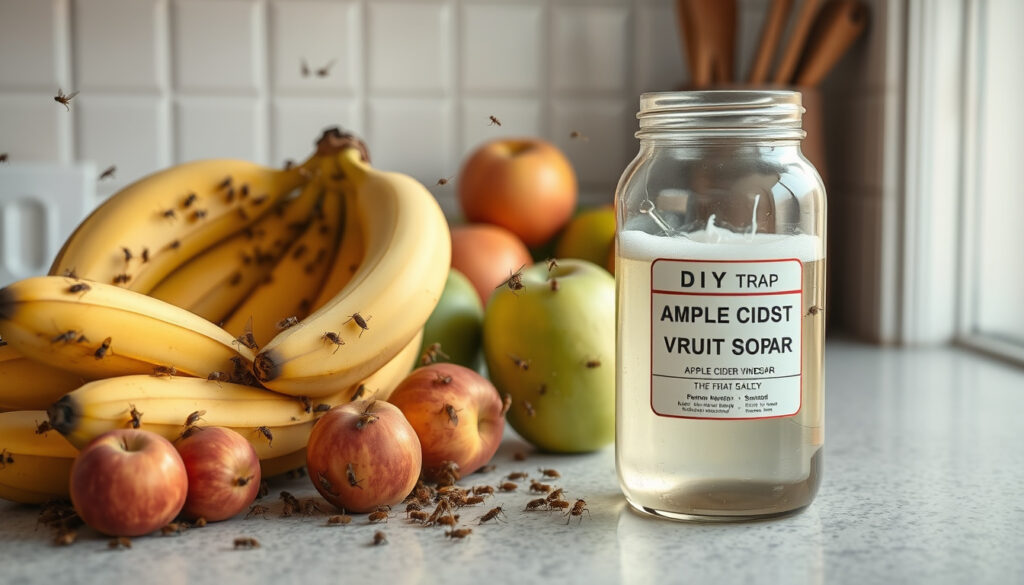
Fruit Flies in House – Traps, Remedies and Prevention
Fruit flies in the house are more than a minor annoyance. These tiny insects can appear seemingly out of nowhere and multiply rapidly, turning a manageable nuisance into a full-blown infestation within days. Understanding what attracts them, how to eliminate them, and what prevention measures work best can help homeowners regain control of their living spaces.
Fruit flies are drawn to ripening or rotting fruits, damp areas, and poor hygiene practices. The good news is that effective traps and home remedies can eliminate them, while proper storage and cleaning habits prevent future outbreaks. This guide covers everything from proven trapping methods to hygiene practices that keep these pests at bay.
Whether fruit flies have appeared suddenly on your kitchen counter or you are dealing with a persistent problem that seems impossible to solve, the information below will help you address the issue systematically and effectively.
How to Get Rid of Fruit Flies in Your House
Eliminating fruit flies requires a two-pronged approach: capturing the adult insects currently flying around your home while simultaneously removing the breeding sites that allow them to reproduce. Without addressing both elements, any control efforts will only provide temporary relief.
The most effective method involves using traps baited with substances that mimic overripe or fermenting fruit. Apple cider vinegar has emerged as the standout choice among home remedies, consistently outperforming other baits in tests and user reports. The key is adding dish soap to the mixture, which breaks the surface tension of the liquid and causes flies that land on it to drown rather than float to safety.
Position traps near fruit bowls, trash cans, and sink drains. These locations correspond to primary breeding and feeding sites, maximizing your chances of capturing flies where they congregate most actively.
4-Item Overview Grid
| Category | Details |
|---|---|
| Common Causes | Rotting fruit, poor hygiene, standing water |
| Reproduction Rate | Up to 500 eggs per single female |
| Most Effective Trap | Apple cider vinegar with dish soap |
| Prevention Priority | Clean drains, proper fruit storage |
Key Insights
- Poor hygiene is often the primary cause of fruit fly infestations in homes, according to pest control experts.
- A single female can lay up to 500 eggs, leading to explosive population growth from one overlooked piece of fruit.
- Eggs often hide on banana and apple skins, making them easy to miss during regular shopping trips.
- Apple cider vinegar traps work because the scent mimics overripe, fermenting fruit that flies naturally seek.
- Adding dish soap to any liquid trap breaks surface tension, preventing flies from escaping once they land.
- Combining traps with source elimination provides the most permanent solution to fruit fly problems.
Fact Table
| Fact | Detail |
|---|---|
| Eggs Laid | Up to 500 per female fly |
| Primary Breeding Sites | Rotting fruit, standing water, sink drains |
| Common Traps | Apple cider vinegar, red wine, commercial lures |
| Time to Results | Visible reduction within one day of consistent trap use |
| Lifespan | 40-50 days for adult flies in warm indoor conditions |
| Hatching Time | Eggs hatch within 24-48 hours in warm environments |
Homemade Trap Designs
Several trap designs have proven effective across multiple sources and user experiences. The Mason jar trap involves filling a jar with apple cider vinegar, adding two to three drops of dish soap, then poking six small holes in the lid using a nail and hammer. Flies enter through these holes but cannot find their way back out. Place the trap near your fruit bowl or sink and refresh the bait every few days.
The paper cone trap offers another option. Pour apple cider vinegar mixed with a chunk of ripe fruit such as banana or apple into a jar, along with dish soap. Roll a piece of paper into a cone with the narrow end pointing downward into the jar. Flies follow the cone inward but cannot navigate back out. Good Housekeeping provides detailed instructions for constructing these traps at home.
A third design uses a bowl covered with plastic wrap secured by a rubber band. Poke tiny holes in the wrap, fill the bowl with vinegar and soap, and wait as flies enter through the holes and become trapped in the liquid. Some users also report success with honey-coated paper strips hung near problem areas, though these work better as supplementary measures than primary control methods.
If apple cider vinegar is unavailable, red wine or beer in a glass covered with plastic wrap punctured with small holes can serve as effective alternatives. These liquids produce the fermenting scent that attracts fruit flies.
Commercial Options
Commercial traps such as Terro fruit fly traps offer a convenient alternative to homemade solutions. These products use specialized scent lures designed to attract flies and can remain effective for up to 45 days. Many homeowners find commercial options helpful when homemade traps provide only partial results, as the concentrated attractants may draw flies that ignore less potent homemade alternatives.
Essential Oil Repellents
Essential oils can supplement trapping efforts by repelling flies from specific areas. A simple spray can be made by mixing ten drops of lemongrass or lavender oil with one cup of hot water in a spray bottle. Mist this solution onto sinks, trash areas, and fruit bowls to discourage flies from settling in these zones. Fresh lavender plants placed near kitchen entrances may also provide some repellent benefits, though this approach has less scientific backing than trapping methods.
Why Fruit Flies Appear in Houses All of a Sudden
Fruit flies do not spontaneously generate from thin air, despite how it may seem when dozens of them suddenly appear around your kitchen. What homeowners experience is typically the emergence of adult flies from breeding sites that have been active for some time, often hidden in places that receive little attention during regular cleaning routines.
The Role of Breeding Sites
A single female fruit fly can lay up to 500 eggs during her short lifespan, typically depositing them directly onto the surface of ripening or rotting fruit. Eggs hatch within 24 to 48 hours in warm indoor conditions, and the larvae feed on the fermenting matter before pupating and emerging as adult flies ready to breed themselves. This rapid life cycle means one overlooked piece of fruit can generate dozens of adult flies within a week or two.
Banana peels and apple cores rank among the most common sources of hidden infestations, as eggs laid on fruit skins are easy to miss when disposing of produce. Sink drains, garbage disposals, and trash cans with organic residue also provide ideal breeding conditions, particularly when these areas remain damp between cleanings.
Drain flies are sometimes confused with fruit flies but breed specifically in moist organic buildup inside pipes. If flies persist despite removing all fruit sources, cleaning your drain pipes thoroughly may be necessary. Pest control resources can help identify which type of fly you are dealing with.
Seasonal Patterns and Winter Persistence
Fruit flies thrive indoors year-round, but homeowners often notice sudden increases during winter months. This surge occurs not because flies migrate inside seeking warmth, but because the breeding sites that existed during warmer seasons become more noticeable once outdoor food sources disappear. When summer produce becomes scarce outdoors, the small breeding populations that existed in your drains and trash become the primary sources, and their populations grow unchecked.
The warmth maintained in centrally heated homes during winter creates ideal conditions for continued breeding. Drain flies and fruit flies that breed in organic buildup within pipes can persist throughout the cold season, producing a steady supply of adults that emerge when conditions are right. Addressing these hidden breeding sites becomes especially important during winter when flies may seem to appear from nowhere despite no obvious food sources on counters.
Understanding the Fruit Fly Life Cycle
Understanding how fruit flies develop helps homeowners target their control efforts more effectively. The complete life cycle from egg to adult typically spans 25 to 30 days under optimal warm conditions, though this timeline shortens considerably in very warm environments above 77 degrees Fahrenheit.
- Egg Stage: Females deposit up to 500 eggs directly onto fermenting or ripening fruit surfaces, with eggs hatching within 24 to 48 hours.
- Larval Stage: Maggots feed on the yeast and bacteria present in rotting matter, developing through three instars over four to five days.
- Pupal Stage: Larvae transform into pupae, developing hard casings that protect them while they mature into adult form over three to four days.
- Adult Emergence: Fully formed adult flies emerge, mate within hours, and begin the cycle again, with females capable of mating just two days after emerging.
This rapid reproduction rate explains why fruit fly populations can seem to explode overnight. By the time you notice a handful of adult flies, dozens more may be developing in hidden breeding sites, preparing to emerge within days.
Fruit Flies in House: What Science Says Versus Common Beliefs
When discussing fruit flies, some searches explore topics beyond straightforward pest control. Claims about spiritual meanings or symbolic significance of fruit fly appearances fall into this category. Examining what established sources actually address helps clarify where scientific understanding ends and cultural or spiritual interpretations begin.
Established Scientific Facts
Pest control professionals and biological resources consistently identify poor hygiene, rotting produce, and standing water as the primary causes of fruit fly infestations. BBC educational resources document the biology of fruit flies, including their attraction to fermenting fruit, their role in decomposition processes, and their significance in scientific research. These sources confirm that fruit flies serve ecological functions as decomposers, breaking down decaying matter and recycling nutrients back into ecosystems.
The connection between hygiene and fruit fly presence is well-established. When produce is left on counters, trash accumulates, or drains develop organic buildup, conditions become ideal for egg-laying and larvae development. Removing these conditions through proper storage, regular cleaning, and waste management directly correlates with reduced fruit fly activity.
No credible scientific sources address spiritual meanings or symbolic significance of fruit fly appearances. These concepts appear primarily in cultural traditions or personal belief systems rather than documented pest control or biological literature.
Information That Remains Unclear or Unverified
| Category | Evidence Status |
|---|---|
| Hygiene-related infestations | Well-documented and consistent across sources |
| Breeding site identification | Well-documented, though specific attractants vary |
| Trapping effectiveness | Consistently supported by user reports and expert sources |
| Spiritual or symbolic meanings | No established sources; based on cultural beliefs |
| Supernatural warnings or messages | Not addressed in pest control or scientific literature |
Prevention and Hygiene Practices That Work
Prevention represents the most effective long-term strategy against fruit fly infestations. Once you understand what attracts these insects, you can implement habits and practices that eliminate their preferred conditions before populations can establish themselves.
Immediate Actions
When an infestation has already begun, immediate action is necessary. Remove all visibly rotting or infested produce from your home, placing it in outdoor trash containers immediately. Wash fruits and vegetables thoroughly when you bring them home from the store, as this removes eggs that may have been laid before purchase. Refrigerate produce that would typically sit on counters, particularly bananas, which seem to attract fruit flies more readily than other fruits.
Wipe down counters, trash cans, and spills daily using a cleaning solution that cuts through organic residue. Pay special attention to areas beneath fruit bowls, around trash can bases, and along the rim of trash containers where residue accumulates. Thorough daily cleaning disrupts the breeding cycle by removing the organic materials flies need for egg development.
Storage Best Practices
Proper storage eliminates the primary food sources that draw fruit flies into your home. Keep all ripe fruits and vegetables in the refrigerator rather than on counters, especially during seasons when flies are most active. Seal garbage and compost containers tightly, and consider storing organic waste in the freezer or refrigerator until garbage collection day if fruit flies remain a persistent problem.
Use sealed containers for fruit storage rather than leaving produce in open bowls. Glass containers with tight-fitting lids work well for bananas and other fruits that need counter ripening, as the physical barrier prevents flies from landing on fruit surfaces to lay eggs. Wash produce containers and recycling bins regularly to remove residue that can attract flies even when empty.
Ongoing Maintenance
Long-term fruit fly prevention requires consistent maintenance habits rather than occasional deep cleaning. Empty trash containers frequently, cleaning them with soap and water weekly to remove residue buildup. Clean sink drains monthly using enzyme-based cleaners that break down organic matter without damaging pipes, or use a mixture of baking soda and vinegar followed by boiling water.
Dry damp areas thoroughly after use, particularly in kitchens and bathrooms where moisture accumulates. Fix any leaking pipes or faucets that create standing water, as these provide ideal breeding sites even in the absence of food waste. By maintaining these habits consistently, you create conditions that remain inhospitable to fruit flies without requiring constant trap maintenance or emergency interventions.
Quotes and Expert Guidance
“Poor hygiene is often the cause” of fruit fly infestations, according to pest control professionals who study these insects as part of integrated pest management programs.
“Fruit flies love rotting or fermenting fruit, and a single female can lay up to 500 eggs,” documenting the rapid reproduction potential that makes these insects such persistent household pests.
Combining traps with source elimination, including proper produce storage and drain cleaning, yields the best results for eliminating flies permanently.
Summary: Taking Control of Fruit Fly Problems
Fruit flies in the house respond well to systematic treatment combining traps, breeding site removal, and improved hygiene practices. Apple cider vinegar traps with dish soap provide an effective, inexpensive solution for capturing adult flies, while proper food storage, drain maintenance, and regular cleaning eliminate the conditions that allow infestations to develop in the first place.
Winter persistence of fruit flies often indicates hidden breeding sites in drains or pipes that require attention beyond simple counter cleaning. Addressing these areas thoroughly, combined with consistent prevention habits, typically resolves even persistent fruit fly problems permanently.
For related health concerns, see our article on Is Food Poisoning Contagious. If you are looking for local pest control options, see our guide to Bath and Body Works Near Me for additional resources.
Frequently Asked Questions
Why do I suddenly have fruit flies in my house in winter?
Fruit flies persist in winter because centrally heated homes maintain warm temperatures suitable for breeding. Additionally, breeding sites in drains and pipes become more significant once outdoor food sources disappear.
What is the most effective fruit fly killer?
Apple cider vinegar with dish soap is the most consistently effective homemade solution. Commercial traps using specialized lures also perform well, with some remaining effective for up to 45 days.
How do fruit flies get inside if my windows are closed?
Fruit flies often enter on produce brought from stores, as eggs may already be present on fruit skins. They can also emerge from breeding sites within your home that have been active for days or weeks.
Can fruit flies come from drains?
Yes, organic buildup in sink drains and pipes can serve as breeding sites, particularly for drain flies. Cleaning drains with enzyme-based cleaners helps eliminate these hidden populations.
How long does it take to get rid of fruit flies?
With consistent trap placement and source elimination, noticeable reduction typically occurs within one to two days. Complete elimination may take a week or two depending on the size of breeding populations.
Do fruit flies bite humans?
Fruit flies do not bite or sting humans. They feed primarily on decaying fruit and organic matter rather than blood or skin.
What smell repels fruit flies?
Lemongrass and lavender essential oils act as natural repellents. Spraying a mixture of these oils with water near problem areas can help discourage flies from settling.
How many eggs can a single fruit fly lay?
A single female fruit fly can lay up to 500 eggs during her lifespan, typically depositing them in batches on fermenting or ripening fruit surfaces.
More related posts
 How Many Miles is 10000 Steps – Averages, Variations, Facts
 How to Make Slime Without Activator – 4 Safe Recipes
 Ringo Starr – Bio, Age, Net Worth, Name and 2025 Updates
 B&Q Discount Code – Verified Offers and Guide
 Glen Powell – Biography, Age, Net Worth, and Full Filmography
 14 Inche in cm – Exact Conver ion and Practical Example
 Is Sky Mobile Down – Live Service Status & Outage Map
 Kylie Page – Died from Cocaine and Fentanyl Overdose
