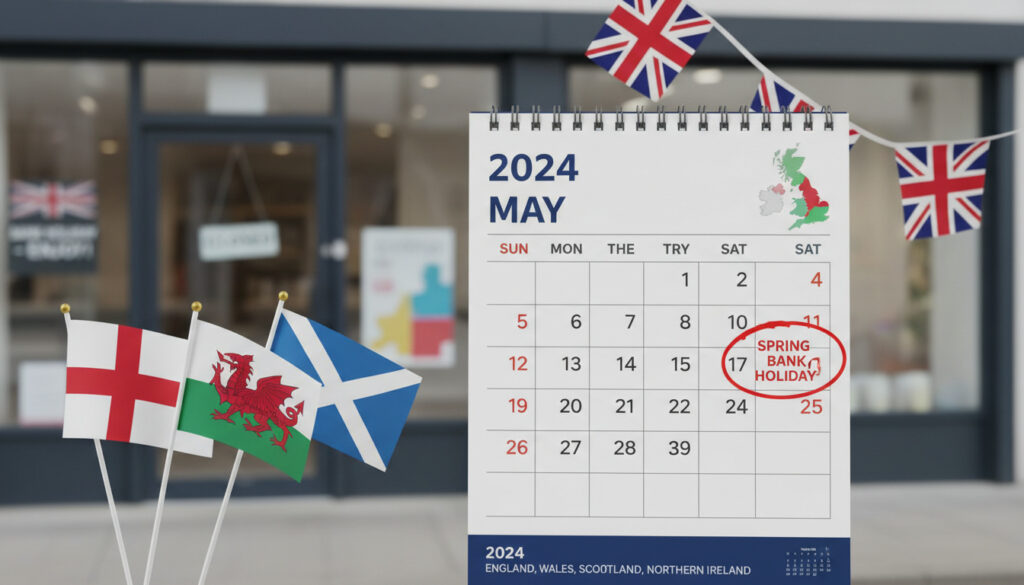
Is It Bank Holiday Today – UK Regions 2024 Guide
Determining whether today is a bank holiday requires checking both the calendar date and your specific location within the United Kingdom. Unlike countries with uniform national holidays, the UK distributes public holidays across England, Wales, Scotland, and Northern Ireland with distinct regional variations.
The question generates different answers depending on whether you live in Edinburgh, Belfast, Cardiff, or London. While seven holidays are shared nationwide, Scotland and Northern Ireland observe additional days that do not apply elsewhere.
This guide provides the complete 2024 calendar for all UK jurisdictions, explains how to verify current holiday status, and clarifies why these dates differ across regions.
Is It a Bank Holiday Today?
Checking current holiday status requires cross-referencing today’s date with official regional calendars. GOV.UK maintains authoritative lists for each jurisdiction, updated annually to reflect substitute days when fixed dates fall on weekends.
- England and Wales observe eight bank holidays annually
- Scotland recognises nine, including 2nd January and St Andrew’s Day
- Northern Ireland observes ten, adding St Patrick’s Day and Battle of the Boyne
- Seven holidays are common across all UK jurisdictions
- Easter Monday is not a bank holiday in Scotland
- Summer bank holiday dates vary by region
- Substitute days apply when holidays fall on weekends
| Date | Holiday | England & Wales | Scotland | Northern Ireland |
|---|---|---|---|---|
| 1 January | New Year’s Day | Yes | Yes | Yes |
| 2 January | 2nd January | No | Yes | No |
| 17 March | St Patrick’s Day | No | No | Yes |
| 29 March | Good Friday | Yes | Yes | Yes |
| 1 April | Easter Monday | Yes | No | Yes |
| 6 May | Early May Bank Holiday | Yes | Yes | Yes |
| 27 May | Spring Bank Holiday | Yes | Yes | Yes |
| 12 July | Battle of the Boyne (Orangemen’s Day) | No | No | Yes |
| 5 August | Summer Bank Holiday (Scotland) | No | Yes | No |
| 26 August | Summer Bank Holiday | Yes | No | Yes |
| 30 November | St Andrew’s Day | No | Yes | No |
| 25 December | Christmas Day | Yes | Yes | Yes |
| 26 December | Boxing Day | Yes | Yes | Yes |
Understanding Regional Differences
Scotland’s banking and public holiday structure reflects its separate legal system and historical traditions. Scottish bank holidays include the 2nd January to extend Hogmanay celebrations, and St Andrew’s Day on 30 November, which has been a voluntary public holiday since 2006.
Northern Ireland’s calendar accommodates both traditions. St Patrick’s Day on 17 March recognises the island’s patron saint, while the Battle of the Boyne commemoration on 12 July marks a significant date in Unionist history.
Substitute Days and Weekend Shifts
When fixed-date holidays fall on weekends, substitute weekdays provide day-off entitlements. The Banking and Financial Dealings Act 1971 governs these arrangements, typically moving the observance to the following Monday.
In 2024, Christmas Day falls on Wednesday and Boxing Day on Thursday, so no substitute days apply. However, where substitutions occur, businesses must adjust payroll and staffing accordingly.
Timeline and Planning
Early year holidays cluster around January and Easter. Scotland’s unique 2nd January holiday creates a four-day weekend for Hogmanay recovery. The spring bank holidays in May provide spacing between Easter and summer.
Summer bank holidays diverge significantly. Scotland observes this in early August, while England, Wales and Northern Ireland take the final Monday of August. This six-week difference affects cross-border business coordination.
Employment and Business Implications
Bank holidays do not automatically grant paid leave. Employment contracts determine entitlement, with many workers receiving these days as part of their statutory annual leave allowance.
Retail operations vary. Essential services and large supermarkets often maintain reduced hours, while banks, government offices, and post offices universally close. Transport networks operate Sunday or reduced timetables.
Summary
Whether today constitutes a bank holiday depends entirely on your specific location within the UK and the current calendar date. England and Wales share an identical eight-day schedule, while Scotland and Northern Ireland maintain distinct calendars reflecting cultural heritage.
Always verify against official regional listings, particularly during years when substitute days apply. Understanding these variations proves essential for business planning, travel arrangements, and employment scheduling across UK jurisdictions.
Frequently Asked Questions
Is today a bank holiday in the UK?
Check your region’s specific calendar. England and Wales share the same holidays, while Scotland and Northern Ireland have additional dates. Seven holidays apply nationwide, but regional variations add two extra days in Scotland and three in Northern Ireland.
Why does Scotland have different bank holidays?
Scotland maintains separate bank holidays due to its distinct legal system and cultural traditions. The 2nd January extends New Year celebrations, while St Andrew’s Day recognises the national patron saint. Historical banking practices also differed from England’s.
Do I get paid extra for working on a bank holiday?
There is no statutory right to enhanced pay for working bank holidays. Your employment contract determines rates. Some employers offer time-and-a-half or double time as company policy, but this remains discretionary unless specified in your terms of employment.
What happens when Christmas falls on a weekend?
When Christmas Day or Boxing Day falls on a weekend, substitute bank holidays are declared for the following weekdays. This ensures workers still receive their entitled days off, typically creating a four-day weekend or adjacent weekday holidays.
More related posts
 Mt Vesuvius – Tickets, Hiking Tips and Eruption History
 Is Food Poisoning Contagious – Transmission and Prevention Facts
 London Weather 7 Days – Forecast, Reliability & Tips
 Man Finds Hen Party Doorstep – Liverpool Booking.com Error
 Toyota Land Cruiser 2025 – UK Prices, Specs & Availability
 Sandie Shaw – Still Alive? Life, Family, and Retirement in 2025
 Help to Save Sign In – Secure GOV.UK Login Guide
 James Watt – The 18th-Century Inventor and BrewDog Founder
