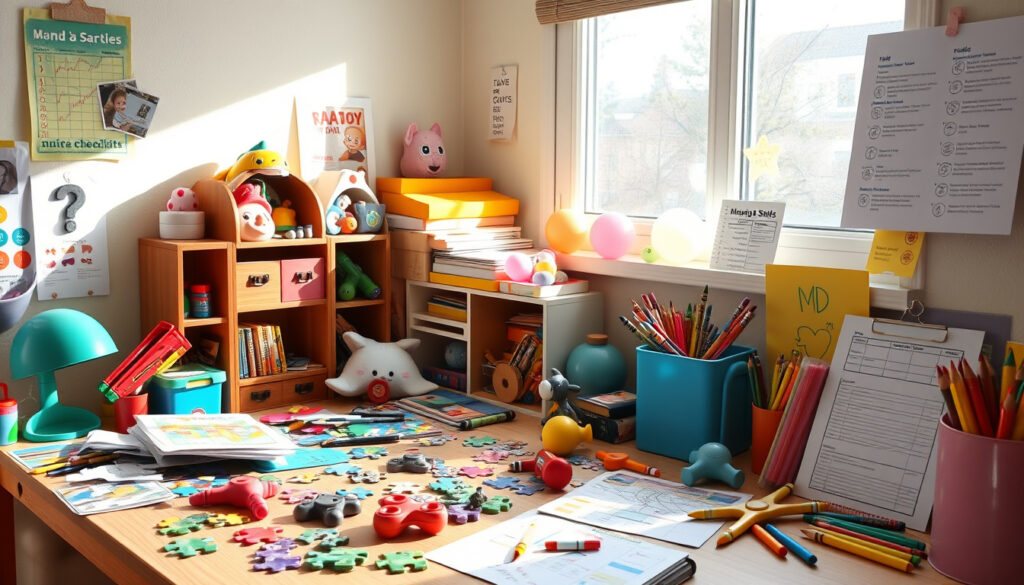
Signs of ADHD in Kids – Symptoms by Age, Boys vs Girls, How to Help
Recognizing the signs of ADHD in children can be challenging for parents, especially since symptoms often overlap with typical childhood behavior. Understanding what to look for—and when professional evaluation may be warranted—can make a meaningful difference in getting children the support they need.
ADHD, or Attention-Deficit/Hyperactivity Disorder, is a neurodevelopmental condition characterized by persistent patterns of inattention, hyperactivity, and impulsivity that interfere with daily functioning. These patterns appear across multiple settings such as home and school and are considered developmentally inappropriate for the child’s age. Symptoms typically emerge between ages 3 and 6, though receiving a formal diagnosis before age 5 can be difficult as behaviors may closely resemble typical toddler development.
This guide breaks down the signs of ADHD in kids by age, highlights differences between how symptoms present in boys and girls, and explains the three main types of ADHD. Parents will also find practical strategies for supporting a child with ADHD and clear guidance on next steps if concerns arise.
What Are the Signs of ADHD in Kids?
The signs of ADHD in children generally fall into two categories: inattention and hyperactivity-impulsivity. While every child can display some of these behaviors occasionally, ADHD is diagnosed when symptoms persist for six months or more and appear across at least two different settings.
Overview of Core Symptom Areas
- Daydreaming frequently
- Not listening when spoken to
- Trouble organizing tasks
- Losing items regularly
- Being easily distracted
- Excessive fidgeting or squirming
- Difficulty staying seated
- Running or climbing excessively
- Unable to play quietly
- Always appearing “on the go”
- Blurting out answers
- Interrupting conversations
- Difficulty waiting for turns
- Grabbing items from others
- Acting without thinking
- Not all fidgeting means ADHD
- ADHD is not caused by bad parenting
- Energy levels alone do not indicate ADHD
- ADHD can exist without obvious hyperactivity
According to the CDC, a diagnosis of ADHD requires that a child display six or more symptoms from either the inattention or hyperactivity-impulsivity category for at least six months, and that these symptoms interfere with functioning across multiple settings such as home and school.
Key Insights from Leading Health Sources
- Symptoms must appear before age 12 – The NHS confirms that most cases of ADHD are identified during the primary school years, though signs can be detected as early as age 3.
- High energy levels and fidgeting alone do not constitute ADHD – The Mayo Clinic emphasizes that symptoms must significantly impair daily functioning to meet diagnostic criteria.
- Not all energetic children have ADHD – Healthcare professionals carefully rule out other causes such as anxiety, sleep problems, or learning disabilities before confirming a diagnosis.
- Early intervention leads to better outcomes – Research consistently shows that accessing support early improves academic, social, and emotional development.
- Behavioral tracking across settings matters – Monitoring symptoms at home, school, and other environments helps professionals form a complete picture.
Snapshot of Common Symptoms
| Symptom Category | Examples | Notes |
|---|---|---|
| Inattention | Daydreaming, careless mistakes, forgetting routines | More subtle in younger children |
| Hyperactivity | Fidgeting, leaving seat, excessive running or climbing | More noticeable in boys |
| Impulsivity | Blurting answers, interrupting, grabbing items | Can affect social relationships |
| Emotional Dysregulation | Mood swings, frustration, difficulty calming down | Often overlooked but significant |
| Social Struggles | Trouble making friends, conflict with peers | More pronounced in girls |
| Academic Issues | Late assignments, messy work, working slowly | May emerge in early school years |
ADHD Symptoms in Boys vs Girls
Research shows that ADHD presents differently in boys and girls, which contributes to disparities in when and how the condition is identified. Boys often display more external signs of hyperactivity, such as running, climbing, or fidgeting noticeably. These overt behaviors tend to draw attention earlier, making diagnosis more straightforward during the early school years.
Girls, by contrast, frequently exhibit what clinicians describe as “masked ADHD.” Their symptoms may be more internalized, manifesting as daydreaming, excessive worrying, over-focusing on specific activities, or emotional dysregulation. Rather than climbing on furniture or running in hallways, a girl with ADHD might sit quietly while her mind wanders or become unusually upset over minor disappointments.
This difference in presentation often leads to girls being diagnosed later, sometimes not until adolescence or adulthood. Girls face higher rates of social and emotional challenges, including anxiety and low self-esteem, which can be exacerbated when their ADHD goes unrecognized and untreated.
Many parents note that girls with ADHD tend to work extremely hard to hide their difficulties, especially in classroom settings. They may complete homework but forget to hand it in, or appear to be paying attention while mentally disengaged. These subtle patterns often escape notice without careful observation.
Shared Characteristics
- Both genders can display inattention, hyperactivity, and impulsivity
- Academic underachievement occurs in both boys and girls with ADHD
- Social difficulties arise from impulsivity and emotional regulation challenges
- Underlying neurobiological factors are similar across genders
Signs of ADHD by Age: 3, 5, 6, and 8 Years Old
ADHD symptoms evolve as children grow, with hyperactivity often becoming more noticeable in younger children while inattention increases in prominence as academic demands rise. Understanding age-specific signs helps parents recognize whether their child’s behavior falls within typical development or warrants further evaluation.
Ages 3 to 5: Preschool and Toddler Years
During the preschool years, distinguishing ADHD from typical toddler behavior requires careful attention. Signs to watch for include trouble following simple directions such as “put on your backpack” or “wash your hands,” difficulty sitting still during story time, and excessive fidgeting or squirming in situations where other children the same age can remain calm.
Children in this age range may also show little interest in activities requiring more than one or two minutes of concentration, lose interest quickly in toys or games, and grab items from others without asking permission. Running away from caregivers in public spaces or climbing on furniture in unsafe ways can also indicate hyperactivity beyond typical developmental levels.
Healthcare professionals approach ADHD diagnosis in children under 5 with caution, according to the Kennedy Krieger Institute. Because the prefrontal cortex—which governs executive function and impulse control—is still rapidly developing, behaviors that appear symptomatic may resolve naturally as the child matures.
Ages 6 to 8: Early School Years
By the time children enter primary school, ADHD symptoms typically become more apparent as structured learning environments place greater demands on attention, organization, and impulse control. Common signs during these years include frequent daydreaming, forgetting or losing items such as pencils, books, or homework, and making careless mistakes on schoolwork.
Children may rush through assignments only to produce messy or incomplete work, struggle to organize tasks, and have difficulty starting or finishing activities. They might also gauge time poorly, becoming frustrated when transitions or deadlines approach unexpectedly. In social settings, clowning for attention, interrupting conversations, and difficulty taking turns are common manifestations of the hyperactivity-impulsivity component.
| Age Group | Inattention Signs | Hyperactivity/Impulsivity Signs |
|---|---|---|
| 3 to 5 years | Easily distracted, short attention span, forgets routines | Fidgets/squirms, leaves seat, grabs impulsively |
| 6 to 8 years | Careless mistakes, avoids sustained effort, loses items | Talks excessively, interrupts, rushes tasks |
Types of ADHD and Related Behaviors Like Stimming
ADHD is categorized into three main presentations based on which symptoms predominate. Understanding these types can help parents and educators tailor support strategies to a child’s specific profile.
Predominantly Inattentive Presentation
Children with this presentation struggle primarily with focus, organization, and sustained attention. They may appear forgetful, lose track of time, and have difficulty completing multi-step tasks. This type is sometimes called “ADD,” though that term is no longer used in official diagnostic manuals.
Predominantly Hyperactive-Impulsive Presentation
This presentation features excessive movement and impulsivity as the primary challenges. Children may constantly fidget, leave their seat in situations where sitting is expected, talk excessively, and act without considering consequences. This type is more frequently identified in boys.
Combined Presentation
Children with combined ADHD display significant symptoms from both the inattention and hyperactivity-impulsivity categories. This is the most common presentation and often requires the most comprehensive support strategies.
Understanding Stimming in ADHD
Stimming refers to self-stimulatory behaviors that children with ADHD often display as a way to regulate their attention or energy levels. Common forms include fidgeting with objects, tapping hands or feet, squirming in chairs, or making repetitive movements. While stimming is often associated with autism spectrum conditions, it also serves as a coping mechanism for children with ADHD.
In the classroom or at mealtimes, a child might tap their pencil continuously or shift positions in their seat. At home, they may spin or rock while watching television. These behaviors are generally harmless but can attract unwanted attention or become disruptive in structured environments. Providing acceptable fidget tools or movement breaks can reduce unwanted stimming while still allowing the child to self-regulate.
Occupational therapists frequently recommend sensory tools such as stress balls, textured seat cushions, or chewing gum for children who stim. These alternatives channel the need for stimulation in socially appropriate ways and can improve focus during structured activities.
How to Help a Child with ADHD
Parents play a crucial role in supporting children with ADHD through environmental adjustments, consistent routines, and targeted strategies that address specific symptom areas. While professional intervention remains important, many supportive measures can begin at home immediately.
Practical Strategies for Daily Life
- Break tasks into manageable steps – Rather than assigning a large project, divide it into smaller components with clear, achievable goals.
- Establish consistent routines – Predictable morning, homework, and bedtime schedules reduce cognitive load and minimize transitions.
- Use timers and visual reminders – Clocks with alarms, countdown timers, and posted schedules help children gauge time and transition between activities.
- Provide fidget tools for stimming – Items such as textured objects, resilience balls, or quiet manipulatives allow the child to self-regulate without disrupting others.
- Offer positive reinforcement – Acknowledge completed tasks and appropriate behavior rather than focusing solely on mistakes or missteps.
- Minimize distractions during homework – Designate a quiet, organized workspace free from screens, toys, or siblings.
Tracking and Observation
Maintaining a record of behaviors across different settings provides valuable information for healthcare providers and educators. Parents can note when symptoms appear, how long they last, and what triggers or alleviates them. Checklists based on CDC diagnostic criteria help ensure observations align with professional assessment frameworks.
Feedback from teachers and other caregivers adds another dimension to understanding a child’s functioning. A child who appears well-regulated at home may show different patterns in the classroom, and vice versa. Documenting these differences helps professionals form a comprehensive picture during evaluation.
Seeking Professional Support
Early intervention significantly improves outcomes for children with ADHD. Parents concerned about their child’s symptoms should consult a pediatrician, family physician, or mental health professional experienced in childhood neurodevelopmental conditions.
Behavioral therapy, parent training programs, and in some cases medication form the cornerstone of evidence-based treatment. The NHS notes that a combination of approaches tailored to the child’s specific profile yields the best results. Schools may also provide accommodations through individualized education plans or 504 accommodations.
When Symptoms Typically Emerge and Are Recognized
Understanding the typical timeline for ADHD symptom emergence helps parents set realistic expectations and seek appropriate support at each developmental stage.
- Age 3 – First signs may appear, including difficulty following directions, excessive fidgeting, and rapid switching between activities without completing any.
- Age 5 to 6 – Structured preschool and kindergarten environments often reveal attention and behavioral challenges that were less apparent at home.
- Age 8 and beyond – Academic demands increase, making inattention, disorganization, and impulsive behavior more consequential and noticeable to teachers and parents.
- Diagnosis window – Most diagnoses occur between ages 6 and 12, though earlier identification is possible when symptoms are severe and persistent.
The NHS confirms that while diagnosis is possible from age 4 onward, healthcare providers typically exercise caution before labeling younger children, given the overlap between ADHD symptoms and typical toddler behavior.
What We Know and What Remains Uncertain
- ADHD is a neurobiological condition with genetic components
- Symptoms must be present for at least six months
- Symptoms appear before age 12 in virtually all cases
- Boys are diagnosed more frequently than girls
- Behavioral interventions and medication are effective treatments
- Symptoms can persist into adulthood
- Exact cause in any individual child
- Why symptoms present differently in boys and girls
- How environmental factors interact with genetic predisposition
- Optimal timing for intervention in very young children
- Predictors of which children will have persistent symptoms into adulthood
Understanding the Context of ADHD in Children
ADHD does not result from poor parenting, excessive sugar consumption, or too much screen time—myths that persist despite scientific evidence to the contrary. Research indicates that ADHD has strong genetic underpinnings, with children whose parents have ADHD facing higher risk themselves.
The condition involves differences in brain structure and function, particularly in areas responsible for executive function, attention regulation, and impulse control. These differences are present from early childhood but may not become problematic until school demands exceed the child’s compensatory abilities.
Comorbid conditions such as anxiety, depression, learning disabilities, and oppositional defiant disorder frequently accompany ADHD. Comprehensive evaluation should assess for these additional challenges, as addressing them often improves overall functioning.
What Experts and Sources Say
“Children with ADHD may have high energy levels, find it hard to sit still, and may act without thinking about the results.” — NHS
“Signs of ADHD may include daydreaming a lot, not following directions, losing or forgetting things often, and squirming or fidgeting.” — CDC
“Most symptoms first appear before age 12, though in some cases, symptoms may not be recognized until later.” — Mayo Clinic
Next Steps for Parents
If you recognize signs of ADHD in your child, the first step is to schedule an appointment with your pediatrician or family physician. Bring documentation of behaviors across settings, including any observations from teachers or caregivers.
A comprehensive evaluation may include interviews, behavioral questionnaires, and screening for other conditions that could mimic or accompany ADHD. Don’t rush the process—accurate diagnosis forms the foundation for effective intervention. For additional context on related health conditions, see our guide on what chicken pox looks like or learn about common anxiety medications.
Frequently Asked Questions
What does stimming mean in the context of ADHD?
Stimming refers to self-stimulatory behaviors such as fidgeting, tapping, or squirming that children with ADHD may use to regulate their attention or energy. While commonly associated with autism, stimming also occurs in children with ADHD as a way to manage restlessness.
At what age can ADHD be diagnosed?
ADHD can be diagnosed from age 4 onward, though healthcare providers often approach diagnosis cautiously in children under 5 due to the similarity between ADHD symptoms and typical toddler behavior.
Is ADHD more common in boys or girls?
Boys are diagnosed more frequently than girls, partly because boys tend to display more visible hyperactivity while girls often show subtler, internalized symptoms that go unrecognized longer.
Can a child outgrow ADHD?
While some children experience reduced symptoms as they mature, ADHD is considered a lifelong condition. Many individuals continue to experience challenges into adolescence and adulthood, though these may manifest differently over time.
What should I do if I suspect my child has ADHD?
Consult your pediatrician or family physician for a comprehensive evaluation. Document behaviors across multiple settings and seek input from teachers or other caregivers to provide a complete picture of your child’s functioning.
Does medication treat ADHD in children?
Medication can be effective for many children with ADHD, particularly stimulants that help regulate attention and impulse control. However, medication is typically one component of a broader treatment plan that may include behavioral therapy, educational support, and environmental modifications.
How is ADHD different from typical childhood energy?
Typical high energy resolves naturally with maturity and does not significantly impair functioning across multiple settings. ADHD involves persistent symptoms lasting six months or more that interfere with daily life, social relationships, and academic performance.
More related posts
 183 cm in Feet – Exact Conversion and Height Context
 Lucrezia Millarini – Biography Age Husband Net Worth and Career
 What Are the Top 10 Medications for Anxiety? – Prescription Rankings
 Kingdom of the Planet of the Apes – Cast Plot Release Watch Order
 Real Madrid LaLiga Legal Dispute – Supreme Court Win, UEFA Settlement
 Chimamanda Ngozi Adichie – Biography Books and Legacy
 50 Euros in Pounds – Current Rate and Trends
 Dollars to Pounds Calculator – Live Rate & Conversion Guide
