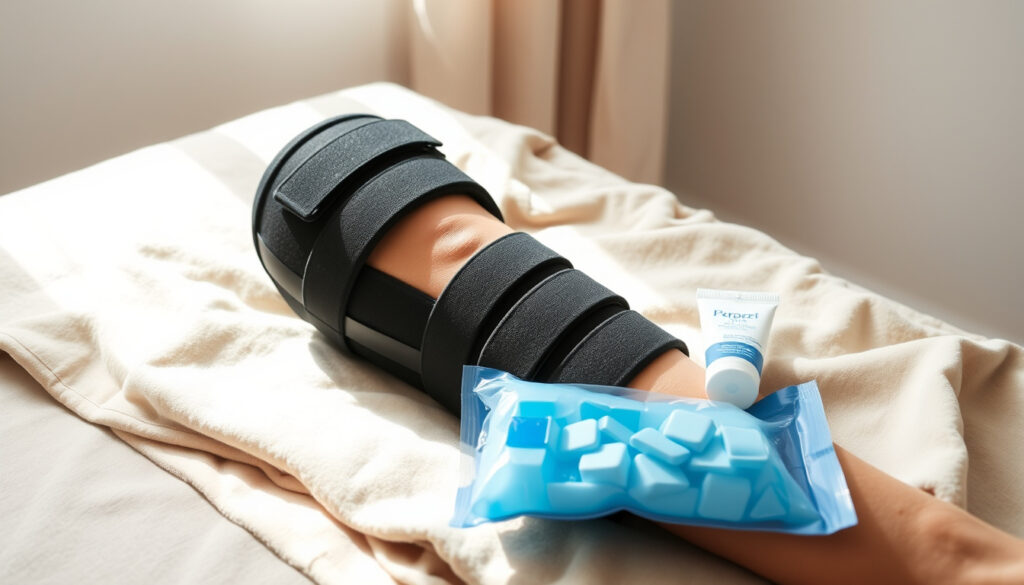
Knee Pain In Ladies – A Complete Guide to Causes and Relief
Knee pain is a common complaint among women, affecting daily activities, sleep, and overall quality of life. While anyone can experience knee discomfort, research shows that anatomical and hormonal differences make women more susceptible to certain types of knee pain. From arthritis to ligament injuries, the causes are varied and often require a tailored approach to relief.
Understanding why knee pain occurs in ladies is the first step toward effective management. This article examines the most frequent causes, evidence-based treatments, home remedies, and when to seek medical help. The information draws on trusted sources including the NHS, UCSF Health, and Aster DM Healthcare.
What Causes Knee Pain in Females?
Four key areas to understand:
- Causes – Arthritis, ligament issues, hormonal changes, overuse
- Fastest relief – Ice, elevation, OTC painkillers, rest
- Night pain triggers – Inflammation, poor positioning, underlying conditions
- Home remedies – Warm compress, gentle stretching, Epsom salt baths, turmeric
Key insights about knee pain in ladies:
- Women are more likely to experience patellofemoral pain syndrome and ACL injuries than men due to anatomical and hormonal differences.
- Night-time knee pain in women often signals inflammatory arthritis or bursitis rather than simple overuse.
- Pain without injury can be caused by menopause-related changes, obesity, or repetitive strain from daily activities.
- Ice and gentle movement are the fastest way to relieve acute knee pain; long-term management often requires strength training and weight management.
- Overuse from prolonged standing or wearing high heels is a leading cause of non-injury knee pain in women.
- Women with a body mass index (BMI) above 30 have a significantly higher risk of developing knee osteoarthritis.
| Key Facts About Knee Pain in Ladies | Source |
|---|---|
| Women have a 2‑8x higher risk of ACL injury compared to men. | UCSF Health |
| Knee osteoarthritis is more common in women, especially after age 50. | NHS / Aster DM |
| Hormonal fluctuations during menopause can weaken ligaments and increase pain. | Alleviate Pain Clinic |
| Overuse (e.g., prolonged standing, high heels) is a leading cause of non-injury knee pain in women. | Alleviate Pain Clinic |
| Women have a wider pelvis and higher Q‑angle, increasing stress on the knee joint. | Aster DM Healthcare |
| Estrogen can relax ligaments, raising the risk of knee injuries. | Aster DM Healthcare |
What Can Cause Knee Pain Without Injury?
Knee pain in women can appear without a specific accident or fall. Common non‑injury causes include osteoarthritis, tendinitis, bursitis, and patellofemoral pain syndrome. Hormonal changes during menopause may weaken cartilage and ligaments, while obesity adds mechanical load that accelerates joint wear. Repetitive activities such as prolonged squatting, climbing stairs, or wearing unsupportive footwear can also lead to pain. Infections and gout are rarer but possible culprits. According to Aster DM Healthcare, these conditions often develop gradually and may be mistaken for age‑related stiffness.
What Causes Tightness Behind the Knee?
Tightness behind the knee in women often stems from tight hamstring or calf muscles, inflammation of the tendons (tendinitis), or fluid‑filled sacs (bursitis). Meniscus tears can also create a sensation of fullness or restriction. When the knee is bent for long periods, reduced blood flow and muscle stiffness aggravate the feeling. Gentle stretching and heat therapy can help, but if tightness persists, a medical evaluation is recommended to rule out a Baker’s cyst. Sources such as Orthotoc and Hinge Health note that targeted exercises can improve flexibility and reduce tension.
How to Treat and Relieve Knee Pain in Ladies
What Is the Fastest Way to Relieve Knee Pain?
For acute flare‑ups, the RICE protocol (Rest, Ice, Compression, Elevation) is widely recommended. Applying ice for 15‑20 minutes several times a day reduces inflammation, while elevation above the heart helps drain excess fluid. Over‑the‑counter nonsteroidal anti‑inflammatory drugs (NSAIDs) like ibuprofen can provide rapid relief. However, for chronic pain, movement is often better than complete rest. The MEAT method (Movement, Exercise, Analgesics, Treatment) may be more appropriate under professional guidance.
Ice wrapped in a cloth for 15 minutes, rest the knee, and take ibuprofen (if suitable). Avoid heat during acute swelling. Once the inflammation subsides, gentle leg raises and heel slides can help restore motion.
What Is the Best Painkiller for Knee Pain?
The choice of painkiller depends on the type and severity of pain. Oral NSAIDs (ibuprofen, naproxen) are effective for inflammation and swelling. Acetaminophen (Tylenol) is an alternative for general pain when NSAIDs are not suitable. Topical capsaicin cream may be applied at night for localized relief. For persistent pain, a doctor might prescribe corticosteroids or hyaluronic acid injections. As noted by Medical News Today, no single medication works for everyone, and long‑term use should be supervised.
Knee Pain in Ladies Home Remedies
Several home remedies can ease discomfort, especially at night or with bending. A warm bath relaxes muscles, while a pillow between the knees (for side sleepers) or under the knee keeps the joint aligned. Gentle massage with olive or lavender oil improves circulation – a 2024 study highlighted the benefits of massage and acupressure. Epsom salt baths may soothe stiff joints. The AARP also supports these approaches for mild to moderate pain.
Home remedies are best for temporary relief. If pain persists more than two weeks or interferes with daily activities, consult a healthcare provider for a proper diagnosis and treatment plan.
Why Does Knee Pain in Ladies Worsen at Night?
Night‑time knee pain is a frequent complaint among women. During sleep, the body’s natural lubrication of joints decreases, and muscles become stiff from inactivity. The position of the knee – whether bent or fully straightened – can stress the joint and aggravate underlying conditions like arthritis or bursitis. Sleep deprivation further lowers pain tolerance, creating a cycle of discomfort. According to Healthline, using a pillow for support and applying heat before bed can improve sleep quality. For inflammatory causes, adjusting the timing of pain medication (taking it before sleep) may help.
What to Do When Your Knee Hurts When Bending and Straightening?
Pain during bending or straightening the knee often points to tendon or bursa inflammation, or a meniscus issue. Tight quadriceps or hamstrings can also restrict movement. Applying heat before activity and ice afterwards can reduce discomfort. Gentle exercises like heel slides and step‑ups help maintain range of motion without forcing the joint. A 2024 video guide by Hinge Health on YouTube demonstrates controlled movements to avoid hand support and strengthen the surrounding muscles. If pain is sharp or accompanied by locking, a medical assessment is necessary.
Avoid deep squats or high‑impact activities until the cause is identified. Sudden worsening of pain, swelling, or inability to bear weight warrants immediate consultation.
How Does Knee Pain Progress Over Time?
While a precise timeline varies by individual, knee pain often follows a general pattern. In the acute phase (0‑48 hours), rest and ice are crucial to control inflammation. During the subacute stage (3‑7 days), gentle movement and stretching can begin. If pain persists beyond two weeks, it is considered chronic and requires evaluation by a professional, including imaging if needed. Physical therapy and strength training become central to recovery at this point. Early intervention within the first weeks improves outcomes.
- 0‑48 hours: Acute phase – ice, rest, elevation, OTC pain relief.
- 3‑7 days: Subacute – gentle stretching, heat, light activity.
- 1‑2 weeks: Continued improvement – strengthen muscles, monitor symptoms.
- >2 weeks: Chronic – seek medical advice, consider physiotherapy.
What Is Known and What Remains Unclear About Knee Pain in Women?
| Established information | Uncertain or still under study |
|---|---|
| Anatomical differences (wider pelvis, higher Q‑angle) increase knee injury risk in women. | The exact link between menopause and knee pain is still being investigated; low estrogen is suspected to affect cartilage. |
| Weight loss significantly reduces knee pain in overweight women. | The effectiveness of specific painkillers varies by individual; no universal “best” option. |
| Hormonal fluctuations during the menstrual cycle can affect ligament laxity. | The long‑term impact of hormone therapy on knee joint health is not fully known. |
| High‑impact sports participation raises ACL injury risk in women. | The role of footwear design in chronic knee pain is debated, though heel height is a factor. |
How Do Broader Health Trends Affect Knee Pain in Women?
Rising obesity rates directly increase mechanical load on knee joints. Women with a BMI above 30 have approximately four times the risk of developing osteoarthritis. At the same time, increased participation in high‑impact sports like soccer and basketball has led to more ACL injuries among active women. Footwear choices also play a part: high heels shift body weight forward, altering gait and placing extra stress on the knees. Flat shoes without arch support can similarly contribute to misalignment. These contextual factors highlight why knee pain in ladies is a growing public health concern.
What Do Health Authorities Say About Knee Pain in Women?
“Sudden knee pain is often caused by overusing the knee or injuring it.”
NHS (nhs.uk)
“Common knee pain reasons in females include arthritis, ligament injuries, obesity, poor posture, footwear choices, and repetitive strain.”
Alleviate Pain Clinic
“Women are more prone to knee injuries due to differences in anatomy, hormones, and muscle activation patterns.”
UCSF Health
These official sources – along with ELHT NHS and Alleviate Pain Clinic – emphasise that early recognition and appropriate treatment are essential to prevent long‑term disability.
Key Takeaways for Managing Knee Pain
Knee pain in ladies is often manageable with a combination of home care, medication, and lifestyle adjustments. Understanding the cause – whether anatomical, hormonal, or activity‑related – is the first step toward relief. If pain persists beyond two weeks, or is accompanied by significant swelling or inability to move, professional medical advice is necessary. For more on maintaining joint health through movement, read our article on How Many Miles is 10000 Steps – Averages, Variations, Facts. Additionally, if you experience other unexplained symptoms, our guide on Left Eye Twitching for Female – Meaning, Causes and Remedies may be helpful.
Frequently Asked Questions
What is a hard knee compressor?
A hard knee compressor is a rigid or semi‑rigid brace used to stabilize the knee after injury or surgery. It is not a first‑line remedy for general knee pain and should be used only on medical advice.
What is the RICE method for knee pain?
RICE stands for Rest, Ice, Compression, Elevation. It is a standard first‑aid approach for acute injuries to reduce swelling and pain.
Can menopause cause knee pain?
Menopause involves a drop in estrogen, which may weaken ligaments and cartilage, potentially contributing to knee pain. Research is ongoing to confirm the exact mechanisms.
What exercises help knee pain?
Gentle leg raises, heel slides, step‑ups, and quad stretches strengthen the muscles around the knee without high impact. Avoid hand support and perform controlled repetitions.
When should I see a doctor for knee pain?
If pain lasts more than two weeks, causes significant swelling, limits daily activities, or occurs after an injury, it is advisable to consult a healthcare provider for imaging and diagnosis.
Does footwear affect knee pain?
Yes. High heels alter gait and increase knee stress, while flat shoes without support can lead to misalignment. Supportive footwear is recommended.
Is knee pain without injury common in women?
Yes. Conditions like osteoarthritis, tendinitis, bursitis, and patellofemoral pain syndrome often develop without a specific injury, especially in women over 40.
More related posts
 183 cm in Feet – Exact Conversion and Height Context
 How Many Miles is 10000 Steps – Averages, Variations, Facts
 Michele Lamy – Biography, Age, Net Worth and Husband Rick Owens
 Flights to Cape Town – Cheapest UK Deals from £581
 Chris Packham Michaela Strachan Springwatch – Clash Explained
 Dennis Hopper – Biography, Death, Movies and Legacy
 Chimamanda Ngozi Adichie – Biography Books and Legacy
 Liam Delap – Biography, Career Stats, and Personal Life
