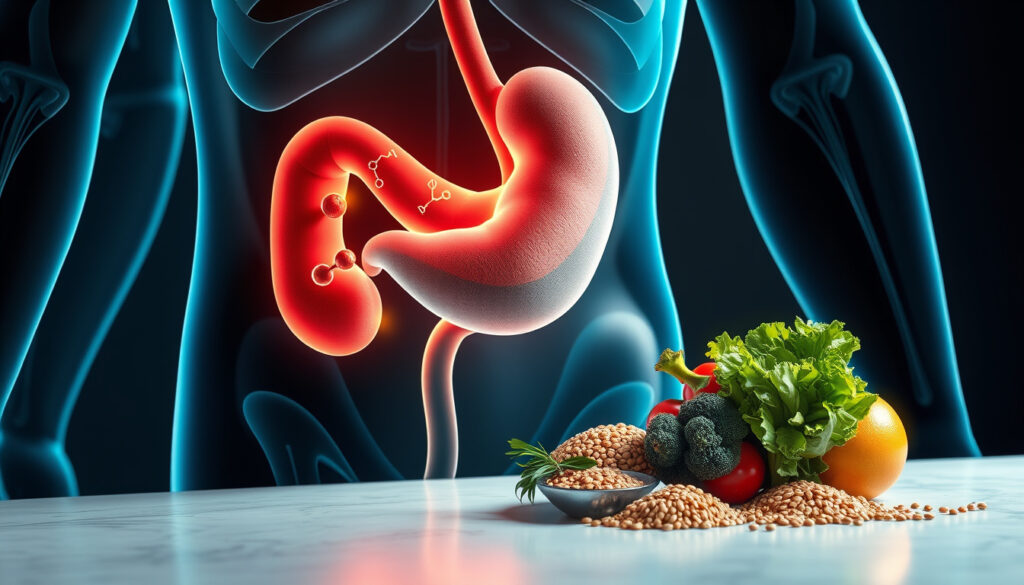
What Doe the Pancrea Do – Function , Location, and Health Tip
The pancreas is a long, tapered gland tucked behind the stomach, and it performs two entirely different jobs at once. It produces digestive enzymes that break down food and releases hormones that control blood sugar. Despite its relatively small size — about six inches long — this organ is essential for survival. When it works well, most people never think about it. When it fails, the consequences can be severe.
Pancreatic problems such as diabetes, pancreatitis, and pancreatic cancer affect millions of people worldwide. Yet many cannot describe what the pancreas actually does. Understanding its dual role helps explain why these conditions have such wide-ranging effects on the body. The pancreas is a mixed gland, meaning it functions as both an exocrine gland (secreting substances through ducts) and an endocrine gland (releasing hormones into the bloodstream).
As researchers note, the pancreas has two essential and very important functions: endocrine production of hormones that regulate blood sugar levels and exocrine production of digestive enzymes that help break down food. This article examines both roles in detail, drawing on current medical literature.
What Does the Pancreas Do? The Two Main Functions
The pancreas performs both exocrine (digestion) and endocrine (blood sugar regulation) functions.
Behind the stomach, near the duodenum, about 6 inches long.
Produces digestive enzymes (amylase, lipase, proteases) and hormones (insulin, glucagon).
Avoid heavy alcohol use and maintain a balanced diet to reduce pancreas stress.
Key Insights
- The pancreas is a dual-function gland: exocrine tissue makes up about 98% of its mass, while endocrine tissue (the islets of Langerhans) accounts for roughly 2%.
- Exocrine cells secrete approximately 1.5 liters of pancreatic juice daily, containing enzymes that digest fats, proteins, and carbohydrates.
- Endocrine cells release insulin and glucagon directly into the bloodstream to maintain glucose homeostasis.
- Major digestive enzymes include amylase (for starches), lipase (for fats), and proteases such as trypsinogen and chymotrypsinogen (for proteins).
- Insulin lowers blood glucose by promoting uptake and storage; glucagon raises blood glucose by stimulating release of stored sugar.
- The pancreas can continue functioning after partial removal, but total removal leads to diabetes and requires lifelong enzyme replacement.
- Bicarbonate produced by the pancreas neutralizes stomach acid in the duodenum, protecting the intestinal lining.
Pancreas at a Glance
| Attribute | Value |
|---|---|
| Size | About 6 inches (15 cm) long, weighs about 3 ounces (70–100 g) |
| Location | Retroperitoneal, behind the stomach, head near duodenum, tail near spleen |
| Exocrine function | Secretes pancreatic juice (enzymes + bicarbonate) into the small intestine |
| Endocrine function | Secretes insulin, glucagon, somatostatin into the bloodstream |
| Key enzymes | Trypsin, chymotrypsin, pancreatic amylase, pancreatic lipase |
| Key hormones | Insulin (lowers blood sugar), Glucagon (raises blood sugar) |
Where Is the Pancreas Located and What Does It Look Like?
The pancreas sits behind the stomach, in front of the spine, in a space called the retroperitoneum. It is a long, tapered organ with three distinct sections: the head, the body, and the tail. The head nestles into the curve of the duodenum, the first part of the small intestine. The body runs horizontally across the upper abdomen, and the tail extends toward the spleen.
Its position deep in the abdomen means that pancreatic pain is often felt in the upper abdomen or referred to the back. This location also makes the pancreas difficult to image with standard ultrasound; doctors often rely on CT scans or MRI for a clear view. Despite being a relatively small organ — about six inches long and weighing roughly three ounces — it has a rich blood supply and is closely connected to major digestive structures.
Because the pancreas is retroperitoneal (behind the peritoneum), it is not directly palpable during a physical exam. Enlargement or inflammation of the pancreas may not be detected until symptoms — such as pain, nausea, or jaundice — prompt imaging. This anatomical position contributes to the challenge of early diagnosis in pancreatic diseases.
What Is the Anatomy of the Pancreas?
The pancreas is composed of two major tissue types: the exocrine acinar cells, which produce digestive enzymes, and the endocrine islets of Langerhans, which produce hormones. A network of ducts collects the enzymes and bicarbonate and empties them into the duodenum through the main pancreatic duct. The entire organ is encased in a thin capsule and divided into lobules, much like a salivary gland.
How Big Is the Pancreas?
In adults, the pancreas measures about 15 centimeters (6 inches) in length and weighs between 70 and 100 grams (2.5 to 3.5 ounces). It is roughly the size of a small banana. Its size remains relatively stable in adulthood but can shrink with age or chronic disease.
What Enzymes and Hormones Does the Pancreas Secrete?
The pancreas is a chemical factory. It produces two fundamentally different kinds of secretions: digestive enzymes that travel through ducts to the intestine, and hormones that enter the bloodstream to act on distant organs. Understanding both sets of secretions is key to grasping what the pancreas does.
Key Digestive Enzymes (Exocrine)
The exocrine pancreas secretes a potent cocktail of enzymes into the duodenum. These include pancreatic amylase (digests starches), pancreatic lipase (digests fats), and several proteases such as trypsinogen and chymotrypsinogen, which digest proteins. Nucleases break down nucleic acids. These enzymes are released in inactive forms called zymogens to prevent the pancreas from digesting itself. Once they reach the small intestine, they become activated and begin breaking down food.
Alongside enzymes, the pancreas secretes bicarbonate, which neutralizes the acidic chyme arriving from the stomach. This creates the optimal pH environment for enzyme activity in the small intestine. The pancreas thus plays an indispensable role in the digestive cascade.
For a detailed list of pancreatic secretions, see this comprehensive review on Pancreas anatomy and functions.
Key Hormones (Endocrine): Insulin and Glucagon
The endocrine pancreas consists of the islets of Langerhans, small clusters of hormone-producing cells scattered throughout the organ. Beta cells produce insulin, which lowers blood glucose by promoting uptake of sugar into muscles, fat, and the liver. Alpha cells produce glucagon, which raises blood glucose by stimulating the liver to release stored sugar. Delta cells produce somatostatin, which regulates the release of both insulin and glucagon. Other islet cells produce pancreatic polypeptide and ghrelin.
This system maintains glucose homeostasis — the delicate balance that keeps blood sugar within a narrow, safe range. When it fails, the result is diabetes. The relationship between the exocrine and endocrine pancreas is functionally linked rather than completely separate; insulin, for example, can influence enzyme secretion from acinar cells. More detail on this interplay is available in the review of Exocrine and endocrine pancreas explained.
What Happens If the Pancreas Stops Working?
When the pancreas fails, the consequences fall into two categories: digestive and metabolic. The specific problems depend on which part of the gland is affected and how severely.
Pancreatitis occurs when digestive enzymes activate prematurely inside the pancreas, causing the organ to digest itself. Acute pancreatitis brings severe upper abdominal pain, nausea, and vomiting, and requires immediate medical attention. Chronic pancreatitis, often linked to heavy alcohol use, leads to permanent tissue damage, enzyme deficiency, and diabetes.
Common Pancreatic Disorders
- Type 1 diabetes: The pancreas does not produce enough insulin due to autoimmune destruction of beta cells.
- Type 2 diabetes: Insulin is produced but the body does not use it effectively; this is often linked to lifestyle and genetics.
- Hyperglycemia: Excessive glucagon activity can contribute to high blood sugar.
- Hypoglycemia: Excessive insulin activity can contribute to low blood sugar.
- Pancreatitis: Inflammation of the pancreas, acute or chronic, often caused by gallstones or alcohol.
- Pancreatic cancer: Malignant growth in pancreatic tissue, often diagnosed late due to vague symptoms.
- Exocrine pancreatic insufficiency (EPI): The pancreas does not make enough digestive enzymes, leading to poor digestion and nutrient absorption.
Total removal of the pancreas (pancreatectomy) is rarely performed but when necessary, it results in what surgeons call “brittle diabetes” — difficult-to-control blood sugar — and complete reliance on enzyme supplements for digestion. Living without a pancreas is possible, but it requires lifelong medical management.
The most effective ways to support pancreatic health include avoiding heavy alcohol consumption, maintaining a healthy body weight, and not smoking. A diet low in processed foods and rich in fruits, vegetables, and whole grains reduces the metabolic stress on the pancreas. Routine blood sugar checks can help detect early signs of dysfunction.
How to Keep Your Pancreas Healthy
Lifestyle plays a significant role in pancreatic health. The same behaviors that support heart and liver health also protect the pancreas. Limiting alcohol to moderate levels, avoiding tobacco, eating a balanced diet, and staying physically active all reduce the risk of pancreatitis and type 2 diabetes. For those with a family history of pancreatic disease, regular screening conversations with a doctor are advisable. Understanding the complexities of the pancreas anatomy and functions can be a first step toward better health. For more on clinical management, see this pancreatic health overview.
How Understanding of the Pancreas Evolved
Scientific knowledge about the pancreas has accumulated gradually over centuries, with each major discovery reshaping how medicine approaches digestion and metabolic disease.
- 1673 — Regnier de Graaf collects pancreatic juice from a dog, providing the first description of exocrine secretion.
- 1869 — Paul Langerhans discovers clusters of cells later known as islets of Langerhans.
- 1921 — Banting and Best isolate insulin, revolutionizing diabetes treatment.
- 1960s — First successful pancreas transplant performed.
- 2020s — Advances in artificial pancreas systems for type 1 diabetes.
This timeline shows how fundamental research on the pancreas has led directly to life-saving therapies, from insulin injections to modern closed-loop glucose monitors.
What Is Known and What Remains Uncertain About the Pancreas
While the core functions of the pancreas are well established, some aspects continue to be investigated. The table below separates what is firmly known from what is still being clarified.
| Established Information | Information That Remains Unclear |
|---|---|
| The pancreas produces digestive enzymes and blood-sugar-regulating hormones. | The role of pancreatic rest (heterotopic pancreas) — small clusters of pancreatic tissue found elsewhere — is still being studied; usually benign but can cause issues. |
| Insulin lowers blood glucose; glucagon raises it. | The exact triggers for autoimmune pancreatitis are not fully understood. |
| Alcohol abuse is a leading cause of pancreatitis. | The mechanisms by which some individuals develop chronic pancreatitis without obvious risk factors remain an active research area. |
| Total removal of the pancreas (pancreatectomy) causes diabetes and maldigestion. | Long-term outcomes for patients living with partial pancreas removal are still being tracked and refined. |
The pancreas does not produce bile — that is the liver’s job, with storage in the gallbladder. Also, spicy foods do not directly damage the pancreas in healthy individuals, though they may trigger symptoms in those with existing conditions.
Why Understanding the Pancreas Matters
The pancreas is often overlooked until something goes wrong. Its dual role as both an exocrine and endocrine gland makes it unique among human organs. Understanding its functions helps explain why diseases like pancreatitis, diabetes, and pancreatic cancer have such profound effects on the body. The endocrine part, though small in mass, is critical for metabolic control; the exocrine part is essential for efficient nutrient absorption.
Modern treatments, from enzyme supplements to insulin therapy, directly support these roles. For patients diagnosed with pancreatic insufficiency or diabetes, these therapies are not optional — they are necessary for survival. Even partial loss of pancreatic function can significantly impact quality of life.
The broader context is that pancreatic health is closely tied to lifestyle and early detection. Because the pancreas is hidden deep in the abdomen, symptoms of disease often appear late. Raising awareness of what the pancreas does and how to protect it remains a public health priority.
What Experts Say About the Pancreas
Medical institutions and researchers describe the pancreas in consistent, clear terms. The following quotes reflect the current consensus.
“Your pancreas is a large gland in the back of your belly. It releases enzymes to help with digestion and hormones to regulate blood sugar.”
— Cleveland Clinic, Pancreas overview
“The pancreas has two essential and very important functions in the body: endocrine (production of hormones that regulate blood sugar levels and more) and exocrine (production of digestive enzymes that help break down food).”
— PMC / Karpińska et al. (2022), Exocrine and endocrine pancreas review
“The pancreas is a gland located in the abdomen with two key functions: digestion and blood sugar regulation.”
— Pancreatic Cancer Action Network (PanCAN), What is the pancreas?
“During digestion, your pancreas makes pancreatic juices called enzymes. These enzymes break down sugars, fats, and starches.”
— Johns Hopkins Medicine, Role of the pancreas in digestion
Additional authoritative sources on pancreatic health include the National Institute of Diabetes and Digestive and Kidney Diseases (NIDDK) – Pancreatitis, the American Diabetes Association – Insulin Basics, the World Health Organization – Diabetes, the Pancreatic Cancer Action Network – Treatment Options, and the Mayo Clinic – Pancreatic Enzymes.
Next Steps After Learning About the Pancreas
After understanding what the pancreas does, you might want to explore related conditions such as pancreatitis, diabetes, and pancreatic cancer. Diagnostic tests — including amylase and lipase blood tests, along with imaging — are the first step when symptoms arise. For those living with pancreatic issues, enzyme replacement therapy and insulin management are central to maintaining health. Lifestyle measures that reduce stress on the pancreas, such as moderating alcohol and maintaining a healthy weight, benefit everyone.
Frequently Asked Questions About the Pancreas
What is pancreatic rest?
Pancreatic rest (heterotopic pancreas) refers to pancreatic tissue located outside its normal anatomical location, often in the stomach, duodenum, or small intestine. It is usually harmless but can sometimes cause inflammation, bleeding, or obstruction.
Does the pancreas produce bile?
No, bile is produced by the liver and stored in the gallbladder. The pancreas produces digestive enzymes and bicarbonate.
What are the symptoms of a poorly functioning pancreas?
Common symptoms include abdominal pain, greasy stools (steatorrhea), unintentional weight loss, nausea, and blood sugar spikes suggestive of diabetes.
Can the pancreas heal itself?
In mild cases of acute pancreatitis, the pancreas can recover with supportive care. Chronic damage from repeated alcohol abuse or other causes is often irreversible.
What is the difference between type 1 and type 2 diabetes?
In type 1 diabetes, the pancreas produces little or no insulin due to autoimmune attack. In type 2, the body becomes resistant to insulin and the pancreas cannot keep up with demand.
Can you live without a pancreas?
Yes, but total removal requires lifelong insulin therapy and enzyme replacement. Blood sugar control is often more difficult than in typical diabetes.
What causes pancreatitis?
The most common causes are gallstones (which block the pancreatic duct) and heavy alcohol use. Less common causes include certain medications, high triglycerides, and autoimmune conditions.
How is pancreatic cancer detected?
Pancreatic cancer is often detected through imaging such as CT, MRI, or endoscopic ultrasound. Blood tests for tumor markers like CA 19-9 may be used but are not definitive for early diagnosis.
What is exocrine pancreatic insufficiency (EPI)?
EPI is a condition where the pancreas fails to produce enough digestive enzymes, leading to poor absorption of fats, protein, and carbohydrates. It is treated with pancreatic enzyme replacement therapy.
What foods are good for pancreatic health?
A diet rich in fruits, vegetables, whole grains, and lean protein supports pancreatic function. Limiting processed foods, sugar, and alcohol reduces the organ’s workload.
More related posts
 Apple MacBook Air M4 – Release Date, Specs, Price and M3 Comparison
 Green Eggs and Ham – Dr. Seuss’s 50-Word Bet Story
 Denise Lewis – Olympic Gold, Family, and UK Athletics Role
 London to Amsterdam Train – Times Tickets and Booking Guide
 Ringo Starr – Bio, Age, Net Worth, Name and 2025 Updates
 50 Euros in Pounds – Current Rate and Trends
 How to Make Slime Without Activator – 4 Safe Recipes
 VO2 Max by Age – Complete Norms, Decline & Improvement Tips
